Username:

Password:

Fargot Password? / Help

$100 Food Forest

The $100 Food Forest is a Permaculture teaching tool to introduce the concepts of forest gardening.

Get inspired

Nature provides inspiration for many of life's endeavors and reaches deep within our psyche.

Value nature

All of nature has value. We want to work with nature, not control it.

Diversity is essential

Having as much diversity in both flora and fauna is essential to us. We are not the only ones that live here.

Be different

Being small has made us really evaluate what we do. Heritage skills such as felting and herbalism are fit well into our Permaculture micro-farm.

Permaculture in practice.

0

It's Conference time!

We have been incredibly busy here getting ready for the one main social event on our yearly calendar. It is the time for the Guelph Organic Conference.

We have been busily being gathering supplies and information for our table at the GOC. After a few years of observation and exploration both Tim and I seem to have found our niches. We are really refining both our  role and our little farm this year. Here are a few of the exciting thing we have planned for this year!

Waterflow_Hat01.jpg

Handmade hat and scarf by Jennifer.

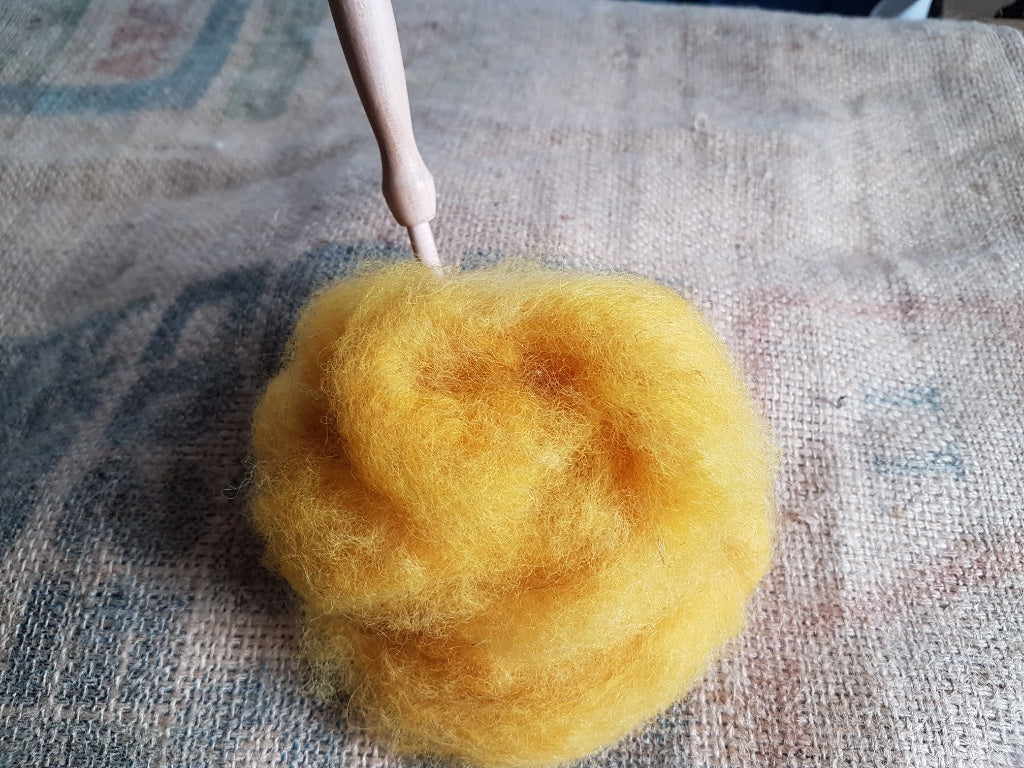
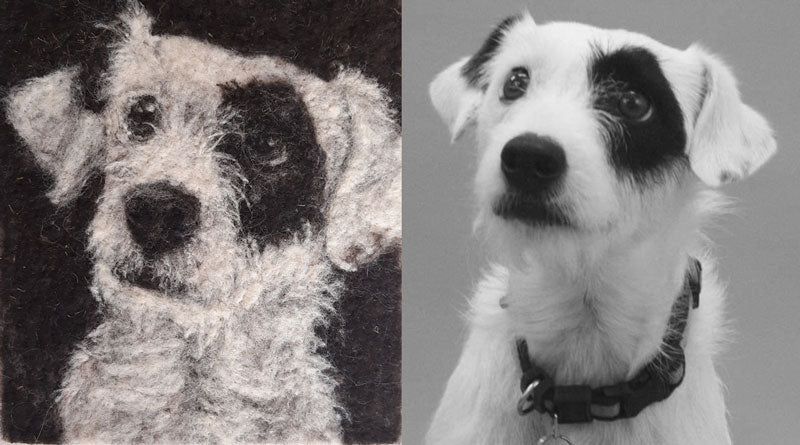
Lots of felted WOOL!: Jennifer is creating beautiful, unique wool items to both make and buy!

Edible Landscaping & Permaculture Design: We can help you have your own edible landscape!

Traditional Lawn Mowing: Our friendly sheep can now mow your lawn too!

Workshops and courses: Our Backyard Chicken course is returning, but we also have some new ones too!

Begin your own Food Forest: Find out how easy it can be to bring permaculture into your life with a $100 Food Forest!


We are sharing our table with Alexis of Earth Tracks. Alexis specializes in primitive skills such as tracking and fire making, is a wild plant specialist, and does educational and guided trips into wild places.

Come and visit both of us at the 2012 Guelph Organic Conference!

2

A different perspective

This past summer we had a very unique and wonderful experience. Amy Whitney, of The Inspirational, Transformational Network came to see us. Amy has a blog that features people that are forging their own paths through life. If you need hit of "feeling good" this is the place to go. You can find people from all walks of life that have followed their hearts and dreams. It is an honour to be included in this group of people.

Not only did she want to see what we were doing on our small piece of the earth, but she wanted to film us as well. Frankly, it was frightening. We now have whole different perspective for those who regularly stand in front of a camera.

Amy was patient with us. We told our story to her and she captured it all on film. Of course it is a fairly long story. Amy patiently whittled it down to a wonderful short film. Even Beauty got into the story!

Thanks Amy, it has helped see ourselves through a different lens!

Click here to check it out: The Inspirational, Transformational Network Channel

0

"Folks, This Ain't Normal."

Last Wednesday night the Brickworks played host to farmer and author Joel Salatin, who is on a tour to support his new book. By the time his reading got under way, he was playing to a pretty much packed house. Joel is a remarkable speaker, and there is a deep level of ecological understanding beneath his homey farmer exterior. In approximately ninety minutes, he gave a thumbnail history of agriculture, particularly managed grazing and its' role in an ecosystem.

All ecosystems, he pointed out, develop and progress with the aid and intervention of animals, particularly herbivores. These creatures process perennial plant biomass, and accumulate nutrients which they help cycle through the system. He gave the example of herbivores grazing a valley floor, and how their movement transports material to the top of the valley. This seasonal rotational grazing was, he pointed out, the mechanism that created the metres-deep topsoil that covered the great plains. Joel went on to draw a parallel between the microbial community in healthy soil and the microbial community that lives within each of our guts, and how this relationship ties us to our ecosystem.

He asserted that we have been using our intelligence and cleverness in an attempt to live outside the constraints of our ecosystem, and the “blip” of cheap energy that has made that possible is coming to an end. Against this bleak backdrop, he talked about ecosystem centered farming as a way of re-establishing a food system that operates within our ecological budget, and noted that an ecologically minded grass based farm system not only regenerated and improved the land, but that it restored a sense of the sacredness of nature.

All in all it was quite an evening. The question and answer session touched on a lot of issues relevant to Canadian farmers, and a spirited talk on supply management followed. Quota systems like the current poultry and dairy industry works within, create an economic barrier to entry for young entrepreneurial farmers, and create an equal “barrier to exit” for existing farmers who wish to retire. The Wheat Board, on the other hand, was more of a co-operative that ensured a fair selling price for all grain farmers regardless of size. He had a fair bit to say on the subject of “the food police,” particularly raw milk. He applauded the movement to link farmers directly to consumers, and sketched his ideal world, where educated consumers could buy directly from the farmer with no regulatory buffer in between. This, he claimed, would make farmers directly accountable to consumers, and would drive food safety.


Lots of conversation afterward revealed audience members felt a deep agreement with Joel's views on ecology, and less agreement with his admittedly libertarian politics.


I am devouring his book, and will post a review as soon as I have finished it.